
1. Chile Report: Salmon Farming
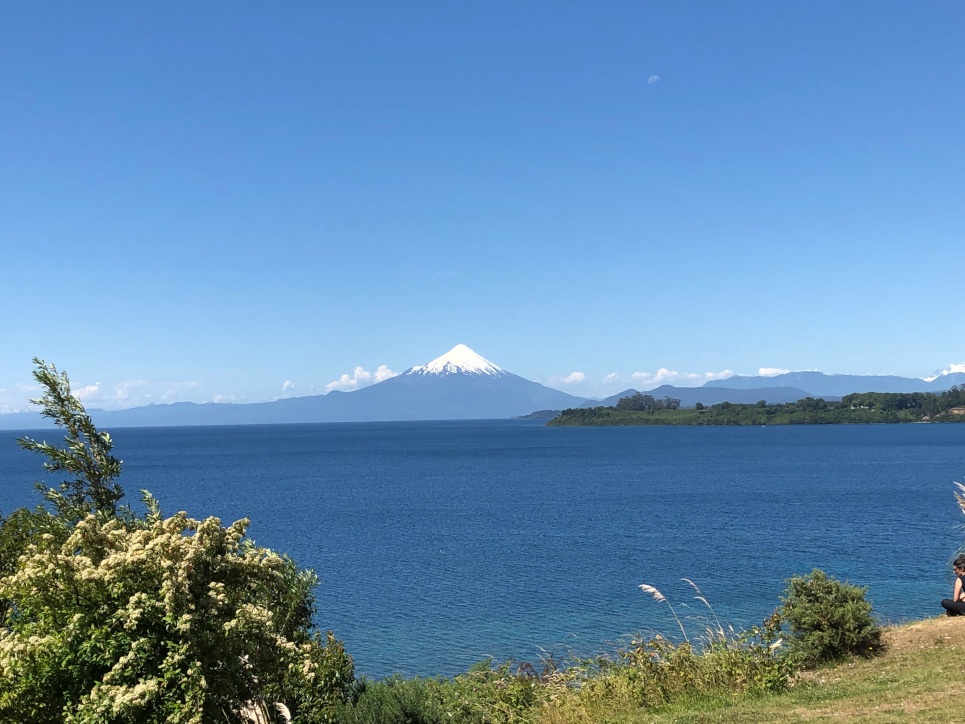
At the beginning of 2019, we took the opportunity to visit salmon farming operations in the Chilean summer.
Whilst longevity and optimising health are becoming increasingly important, one crucial factor is often overlooked: the supply of omega-3 from marine sources. The gap between recommended intake and actual consumption is wider than many realise – and opens up new possibilities, even beyond the realm of health.

Omega-3 is essential for our health – and yet many people do not get enough of it. Blood tests have shown for years that a large proportion of the population does not meet the recommended levels, particularly in terms of the so-called Omega-3 index, which measures the proportion of EPA and DHA in the body. Levels between 8 and 11% are considered optimal, yet many people fall well below this.
The main causes of this are changing dietary habits, high consumption of omega-6 fatty acids and a lack of awareness of one’s own intake. Consumption of oily fish is too low in many regions, whilst industrialised diets have become increasingly prevalent over the decades. The result is a structural, global deficiency that creates a stable and long-term growing demand for omega-3.
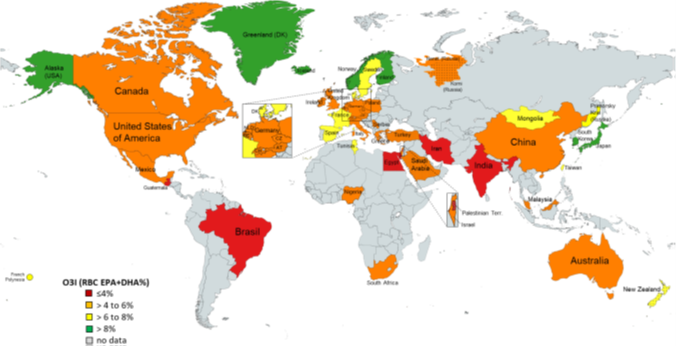
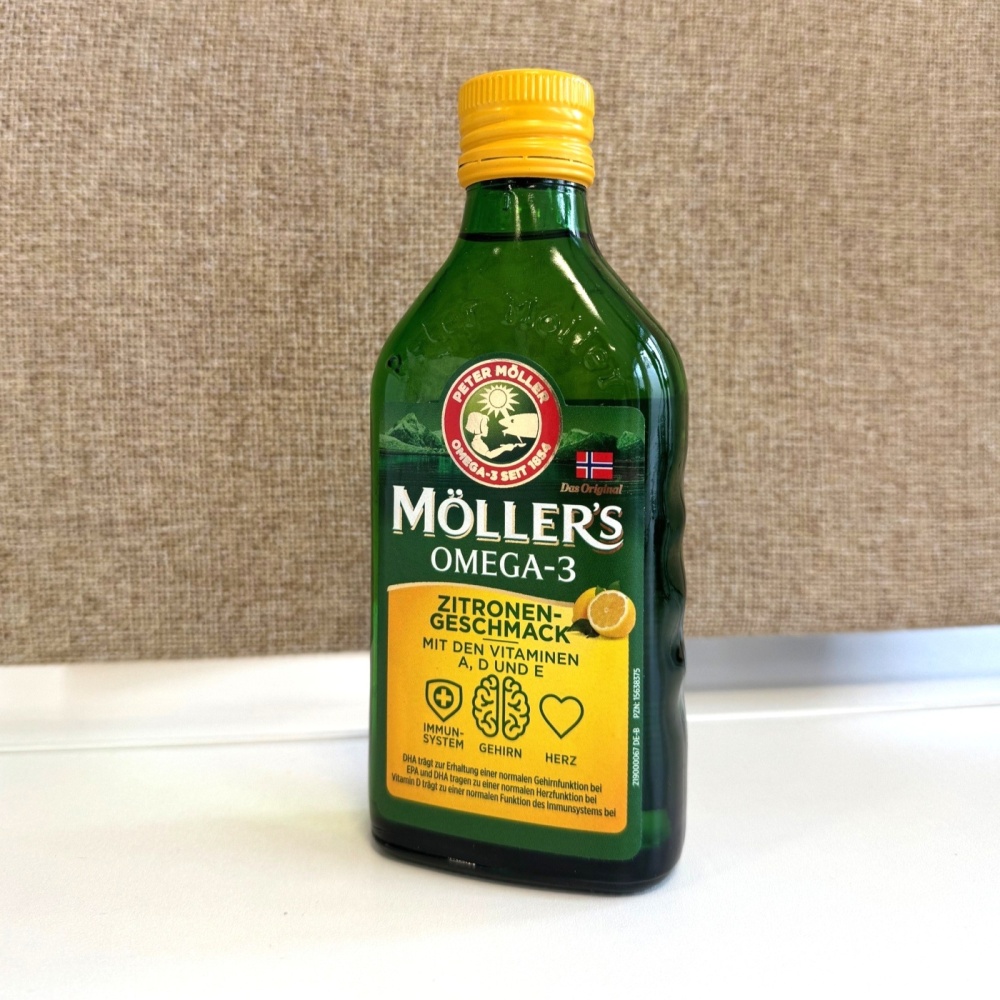
To make the topic more tangible, we at Bonafide had our own Omega-3 index measured. As is well known, we are self-confessed pescetarians, but with values of <6%, we were below the recommended range. So, in addition to eating oily fish such as salmon and mackerel, we began taking targeted supplements of omega-3 in its most natural form: cod liver oil. Even the Vikings, Greenlanders and Inuit used the oil extracted from cod liver as a tonic. We haven’t reached the target value yet, but interim results show us that we’re on the right track.
Experience shows: the deficiency is real, but measurable and can be influenced. It is only through a concrete figure that awareness of one’s own intake is created. At the same time, it becomes clear that even a conscious diet is often insufficient to achieve optimal levels. Supplementation can be effective – but it requires consistency. Our personal development thus reflects on a small scale what is also evident in the bigger picture: a structural deficiency meets a growing willingness to actively address it.

Whilst our ‘Global Fish Fund’, launched in 2012, may sound a bit old-fashioned, this niche product is a bet on the theme of ‘longevity’. After all, the prospect of a ‘long life’ essentially hinges on three key elements: sufficient exercise, a balanced diet and access to a functioning healthcare system. Growing awareness is leading to longevity centres and laboratories offering advice and tests springing up like mushrooms. They will have a positive influence on our society’s dietary habits and highlight the lack of Omega-3. Both factors are driving demand for the fish and seafood industry.

Growing demand is met by a structurally limited supply. The main sources of Omega-3 are wild-caught fish, aquaculture and, increasingly, algae production. At the same time, marine resources are naturally limited and subject to strict regulatory requirements. A significant proportion of the global fish catch is already processed into fishmeal and fish oil, whilst aquaculture itself relies on Omega-3 as an input. This further intensifies demand within the system. A structural tension arises: rising demand meets limited scalability. It is precisely this dynamic that makes the topic particularly relevant from an investor’s perspective, as it could lead to a long-term shortage of high-quality Omega-3 sources.

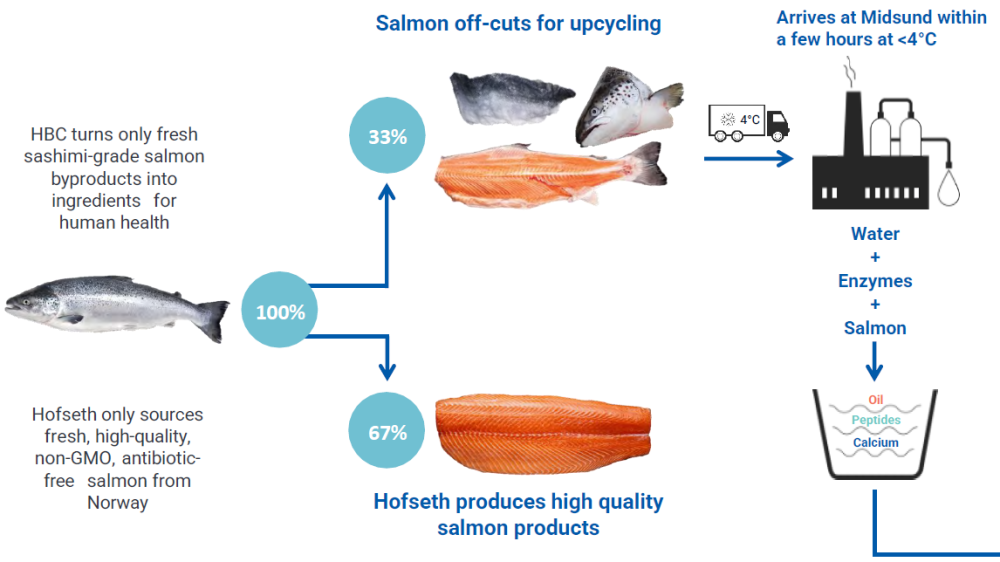
Exposure to the production of essential Omega-3 fatty acids is found exclusively in the fish and seafood sector, which on the stock market consists primarily of small and mid-cap companies. The most ‘convenient’ setup is offered by regulated fishing companies that already produce Omega-3 for human consumption. The leverage will come from the rising price of the valuable raw materials fish oil and fish meal. Integrated aquaculture operations and downstream processors also have additional earnings potential for EPA and DHA. The fillets that end up on the fish counter in the supermarket usually account for only 50% of total production. The rest – such as fish heads, skeletons and tail fins – is waste, but also contains valuable EPA and DHA, which can be processed into supplements through extraction. What was once considered waste suddenly becomes valuable raw material, increasing revenue per kilogramme and leading to higher profits. Sooner or later, the financial market will also recognise this potential and price it in.


Comments